
Single-row is best for
Products whose shape, controls, labels, connections and construction can be understood from the sides: packaged goods, pumps, tools, footwear, electronics, automotive parts and many catalog products.
Single-row 360 product photography creates a smooth horizontal rotation that lets customers inspect every side of a product without adding angles the buying decision does not require.
A single-row 360 is the most direct form of interactive product photography. The product rotates through a complete horizontal circle while the camera remains at one approved elevation. Customers can drag the view left or right, stop at any angle and inspect the sides that static product photography often leaves unanswered.
For many ecommerce products, this is the right capture—not the entry-level compromise. Pumps, tools, packaged goods, electronics, footwear, automotive parts and thousands of other products communicate clearly from one well-chosen viewing height.
Trusted by product teams at





















The camera height determines what remains visible throughout the rotation. A low viewpoint can emphasize stance and limited underside geometry. A higher viewpoint may reveal controls, openings or the top edge. The approved elevation must keep the product recognizable while exposing the details customers use for identification, comparison, fitment or purchase.
Representative products are especially useful for a catalog program. They let the team approve product scale, camera height, rotation direction, start frame, crop, background and lighting before volume production begins.
Frame count affects motion, file weight, retouching volume and how many useful still positions can be derived from the source set. Straightforward products may communicate well at 24 frames. Products with controls, connections, irregular geometry or premium presentation requirements may benefit from 48 or 72.
More frames make the rotation smoother; they do not improve the lighting, focus or resolution of each photograph. PhotoSpherix balances motion with page performance, retailer requirements, production volume and future reuse.
A single row is the standard when one approved camera elevation keeps the important product information visible.
Products whose shape, controls, labels, connections and construction can be understood from the sides: packaged goods, pumps, tools, footwear, electronics, automotive parts and many catalog products.
Customers must inspect top openings, deep interiors, upper controls, underside construction or complex geometry that disappears from the approved horizon line. Those products may need multi-row or full 360×360 photography.
n
A lighting setup cannot be judged only from the front frame. Chrome, gloss, black materials, labels, screens and complex surfaces change as the product rotates. We test the product around the circle so reflections describe form without becoming distracting or inconsistent.
Finishing follows the same principle. Alignment, cleanup, color and background treatment must remain stable from frame to frame or the final spin will flicker and wander. The organized source set also provides full-resolution product stills and can support derived product video without scheduling a separate rotation.
Interactive 1-row Gss product photography with 24 frames per row.Single-Row WorkOne useful elevation. Every side of the product.
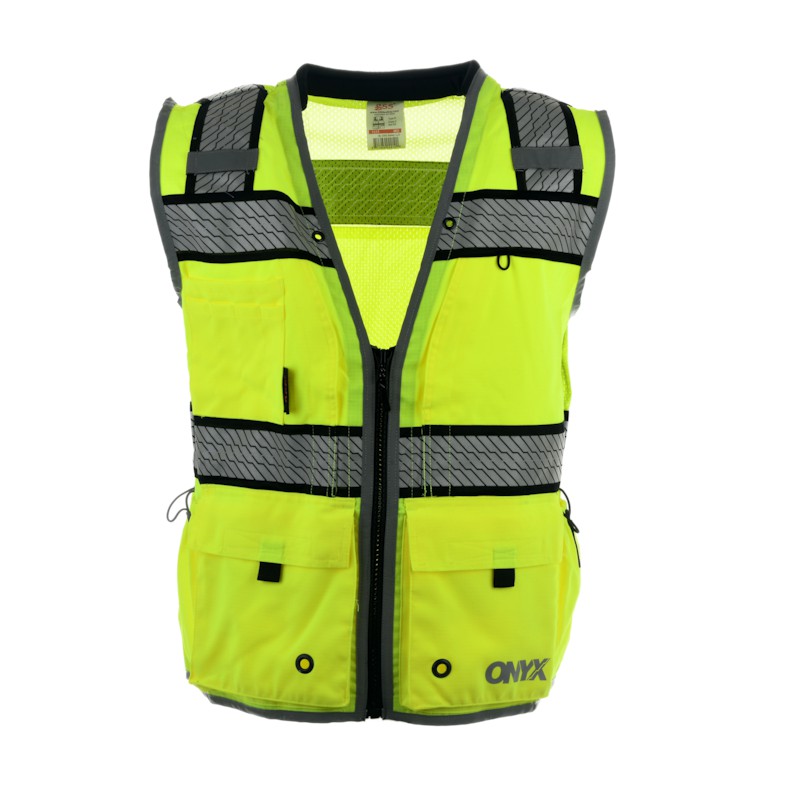 Open interactive 360Single-row 360
Gss GSS-vest5 360 Product Photography
If customers need to inspect top surfaces, underside details or complex three-dimensional form, a multi-row or full 360×360 view may be justified. We recommend the simplest capture that answers the customer’s real questions.
Lighting, position and point of view are chosen around what you, the customer, need to understand about the product.
Send the product list, dimensions and intended sales channels. We’ll recommend the frame count, finishing and delivery plan.