
Parts, accessories, assemblies and vehicles
Automotive product imagery
360 Product Photography for Automotive Products
PhotoSpherix creates consistent 360 product photography for automotive parts, accessories, tools, assemblies and full-size vehicles—organized for real catalogs and sales channels.
Automotive products range from small replacement components and service parts to wheels, tools, accessories, assemblies and full-size vehicles. The photography must make construction, connections, mounting points, included hardware and surface finish understandable while remaining consistent across a product family.
PhotoSpherix creates 360 product photography for manufacturers, suppliers, distributors and ecommerce teams. We plan the camera angle, rotation, lighting, frame count and final exports around the part and the channel where it will be sold. One product may need a straightforward single-row spin. Another may require upper and lower views, specialized reflection control or large-product capture. For catalog programs, every image set stays connected to the correct part number from receiving through client approval and final delivery.
0Years in 360
0Sq. Ft. Indianapolis Studio
0Capture Stations
0Products per Day
Trusted by product teams at





















01
Show more than the beauty angle
Make functional details easy to verify
An automotive buyer may need to verify a connector, bolt pattern, mounting flange, hose orientation, tread, adjustment range or included bracket before ordering. A 360 lets that customer inspect the complete part rather than infer the hidden side from one or two polished still images.
The useful camera position depends on the product. We choose the viewing height and starting angle to make identification easy, then confirm that important labels, ports and interfaces remain readable through the rotation. Supporting stills can isolate dimensions, package contents or installation features that should not depend on the interactive viewer. The result supports both product appeal and the practical questions that reduce uncertainty, incorrect orders and avoidable returns.
02
Different parts require different rigs
From replacement components to full-size vehicles
A sensor, brake component, pump, license-plate frame and completed vehicle do not belong on the same capture system. PhotoSpherix operates multiple capture areas and selects the turntable, camera path, lens, working distance and product support around the actual part.
Small components may require close attention to texture, markings and connection geometry. Heavy assemblies change lifting and positioning requirements. Wheels and reflective accessories demand broad, controlled lighting. Full-size vehicles require substantial floor space and a rig capable of preserving perspective through every frame. Our Indianapolis facility has approximately 6,000 square feet, semi access, forklift handling and large-product capability. When shipping the product is impractical, we can plan on-site capture at a factory, warehouse or other suitable facility.
03
Control what the part reflects
Chrome, polished metal and glossy black surfaces
Automotive finishes often reflect the entire studio. Chrome, polished aluminum, painted panels, machined surfaces, windows and glossy black plastic can lose their shape in uncontrolled highlights or become a moving map of equipment as the product rotates.
PhotoSpherix uses controlled reflections to define edges, curvature and material changes while protecting important labels and surface detail. The complete rotation is evaluated before final capture because a lighting setup that works at the starting angle may fail on the opposite side. Dust, seams, supports and temporary handling elements are cleaned consistently across the image set so they do not flicker during movement. The required finishing level is based on final viewing size, product value, channel and catalog standard—not a generic automotive preset.
04
Keep imagery connected to product data
Part numbers, product families and catalog consistency
Automotive catalogs depend on stable part numbers, applications and product relationships. ACES and PIES data may describe fitment and product information, while photography must remain associated with the correct item through capture, review and delivery. A beautiful image assigned to the wrong SKU is a production failure.
We begin with the customer’s product list and establish receiving labels, sample products, naming rules and required channel exports. Representative parts define the approved camera angle, crop, lighting, background and frame count before volume production. Related products remain visually consistent while legitimate differences in scale, finish and geometry receive the adjustments they need. Product-level tracking connects every source frame, approval record and final file to the correct part number without asking the ecommerce team to rebuild the catalog after delivery.
05
Use the movement the part deserves
Single-row, multi-row and specialized capture
Most automotive parts are served well by a single-row 360 that reveals every side from one useful camera height. Products with top controls, recessed components, deep housings or important underside geometry may benefit from multi-row capture. Full 360×360 is reserved for products that genuinely require nearly complete top-to-bottom exploration.
Frame count affects smoothness, source-image volume, retouching and download weight. Twenty-four frames may satisfy a retailer requirement or straightforward shape, while 48 or 72 frames provide smoother movement and more usable still positions. We recommend the capture type and frame count around product geometry, customer questions, channel requirements and future reuse. The objective is not maximum motion. It is the clearest product inspection at a practical production level.
06
Build for reseller requirements
Automotive retailer and distributor delivery
Automotive imagery may need to serve the manufacturer website, distributors, marketplaces, national parts retailers, sales portals, DAM systems and PIM platforms. Each destination can impose different file dimensions, formats, background rules, frame sequences, rotation directions, start frames or naming conventions.
PhotoSpherix works from the written specification and prepares organized exports from approved master imagery. Part-number naming and folder structures are planned before delivery so thousands of files can move into the customer’s systems without manual reconstruction. When a retailer requirement changes, useful retained masters preserve options for new exports. We also help distinguish a capture requirement from a delivery requirement: the best master source set may contain more resolution or frames than a specific channel accepts today.
07
Approval that keeps pace with production
Automotive catalog review and delivery
After internal quality control, completed products are published to a project-specific review area. Brand, product, ecommerce and catalog teams can inspect the actual interactive 360, approve the part or attach a change request to the correct SKU.
Review can continue while later products remain in receiving, capture or processing. Early approvals confirm that the production standard holds across the real mix, and priority product families can move toward launch without waiting for the final item in the program. Approved imagery is exported using the required part numbers, formats and folder structures. The same workflow can support one new product, a product-line refresh or a continuing catalog program. PhotoSpherix manages the photography and file production so the customer’s team can focus on product data, merchandising and channel launch.
Useful inputs for the first conversation
Part numbers. Product families. Finishes. Channels. Launch priorities.
You do not need a finished photography specification. Send the product list and where the imagery must go. PhotoSpherix will help define the sample, capture, review and delivery plan.
Automotive catalog standards
Build the asset record around Auto Care best practices.
PhotoSpherix can coordinate automotive stills, 360 product photography, rotating video, packaging and warning-panel photography, product identification, measurements and basic attribute capture in one production workflow. Learn how those assets connect to Auto Care guidance, PIES® delivery and retailer-specific exports.
Review Auto Care Digital Asset Best Practices →One automotive capture · Many finished assets
Every frame can become a useful product still.
A 24-frame automotive 360 supplies the interactive rotation and a coordinated set of individual views. Select a common delivery set below to see how the same capture supports catalog pages, marketplaces, PIM and DAM records, sales materials and Auto Care workflows.
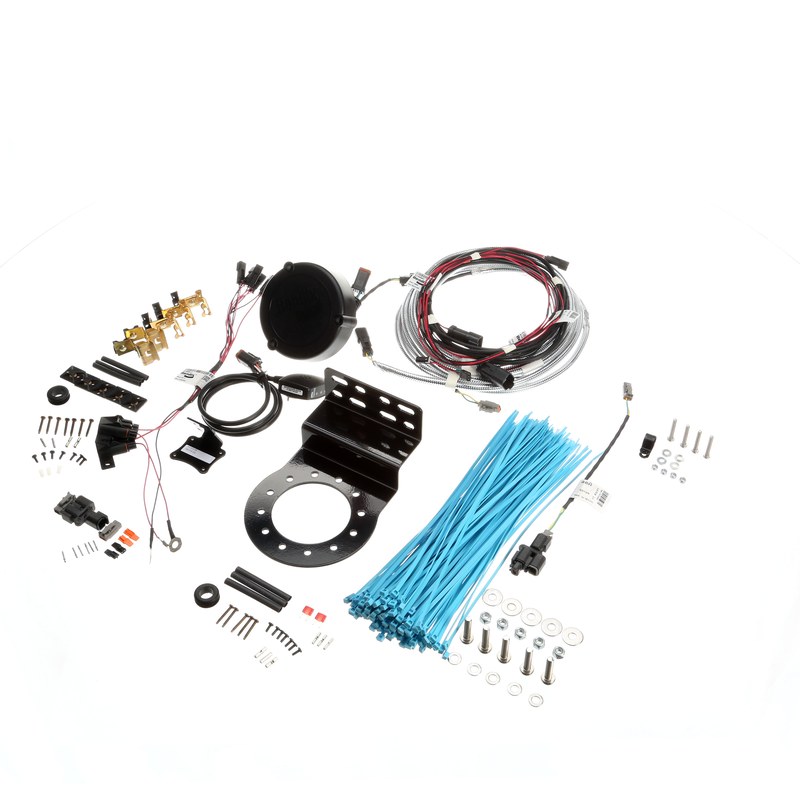
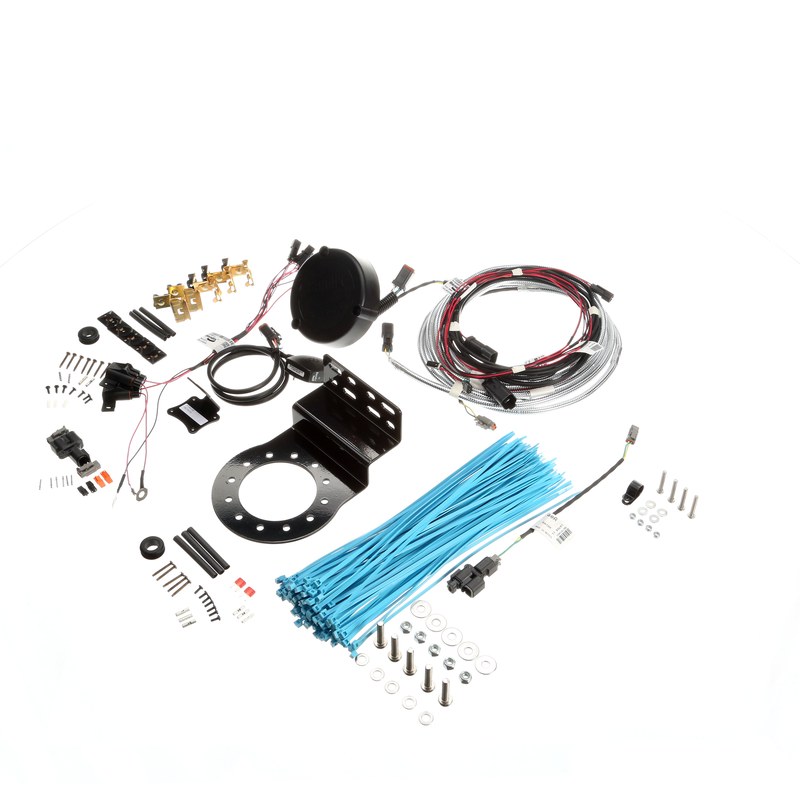
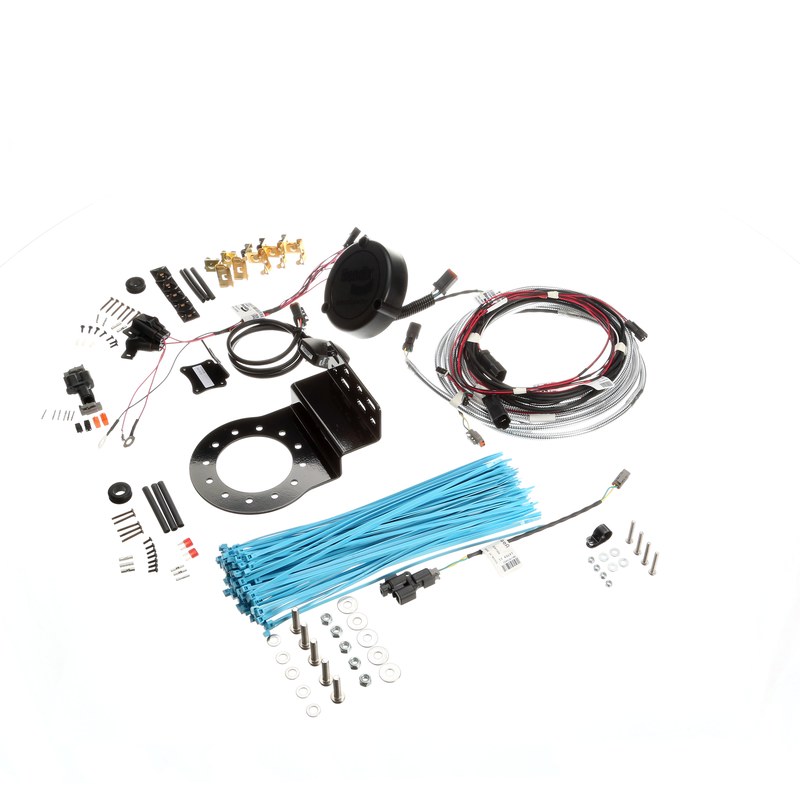
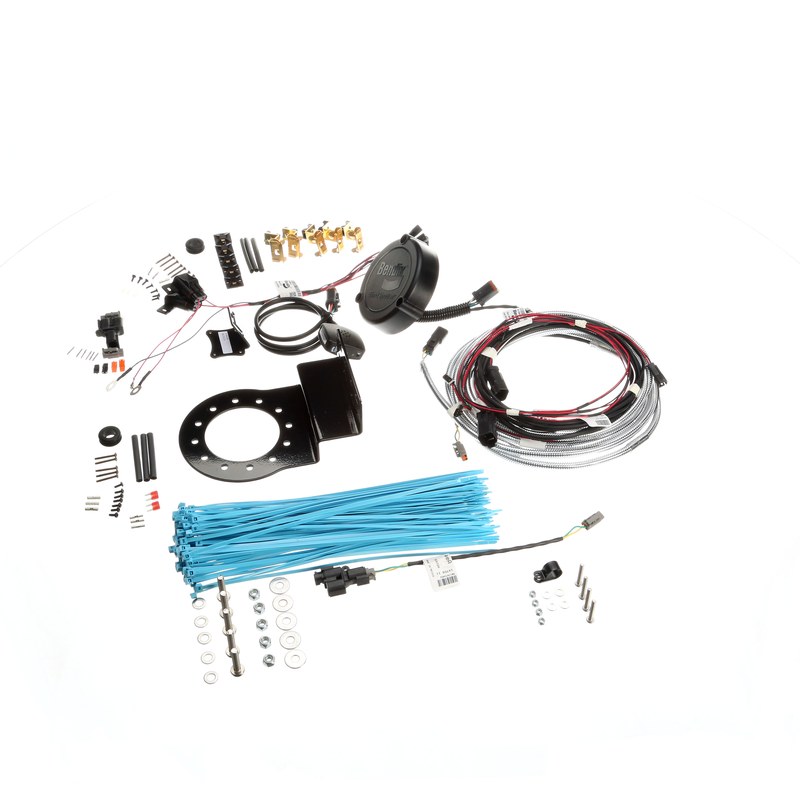
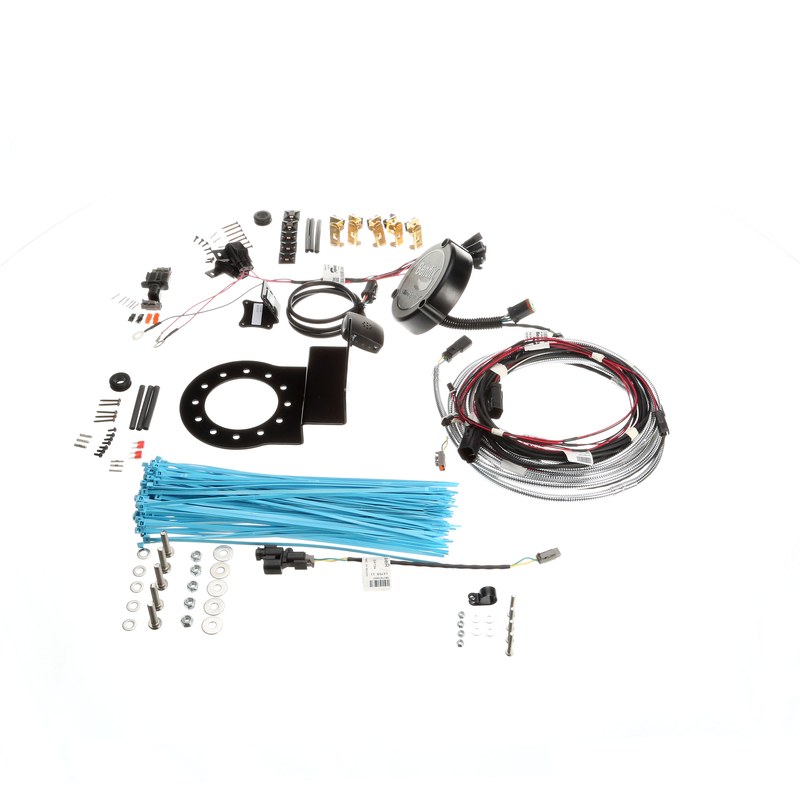
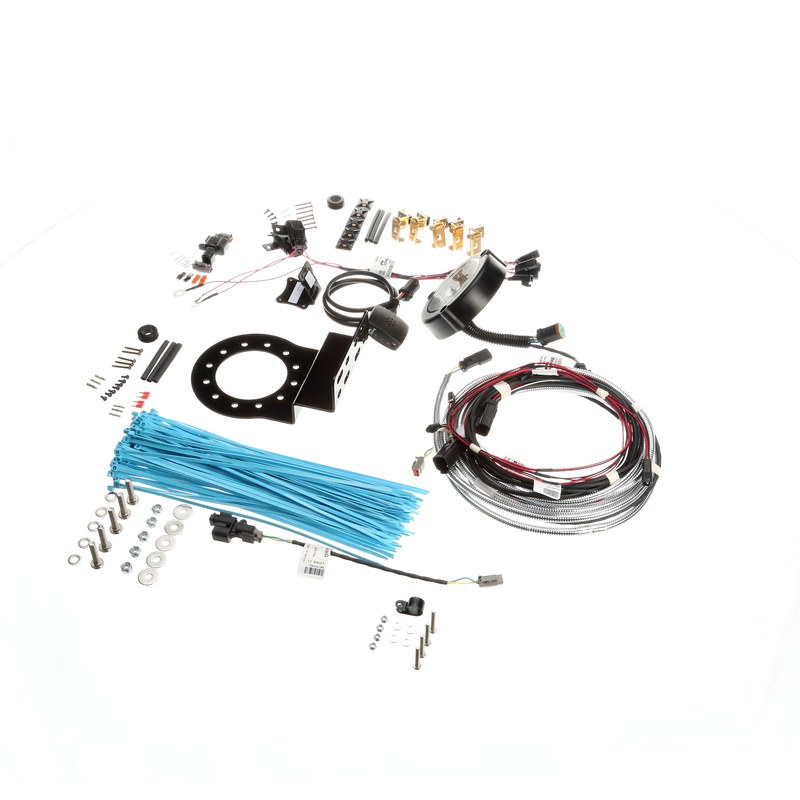
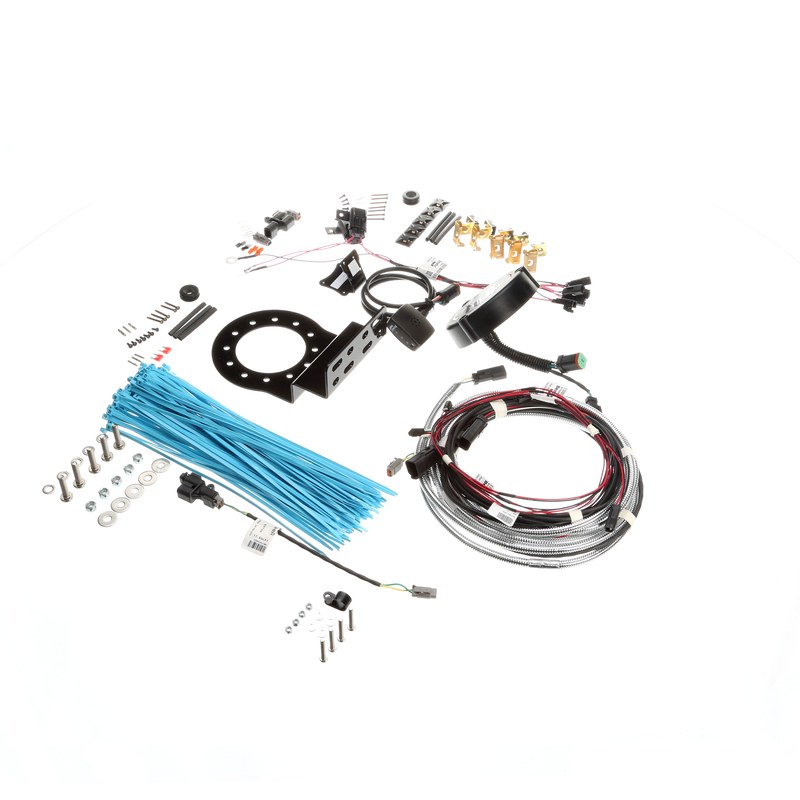
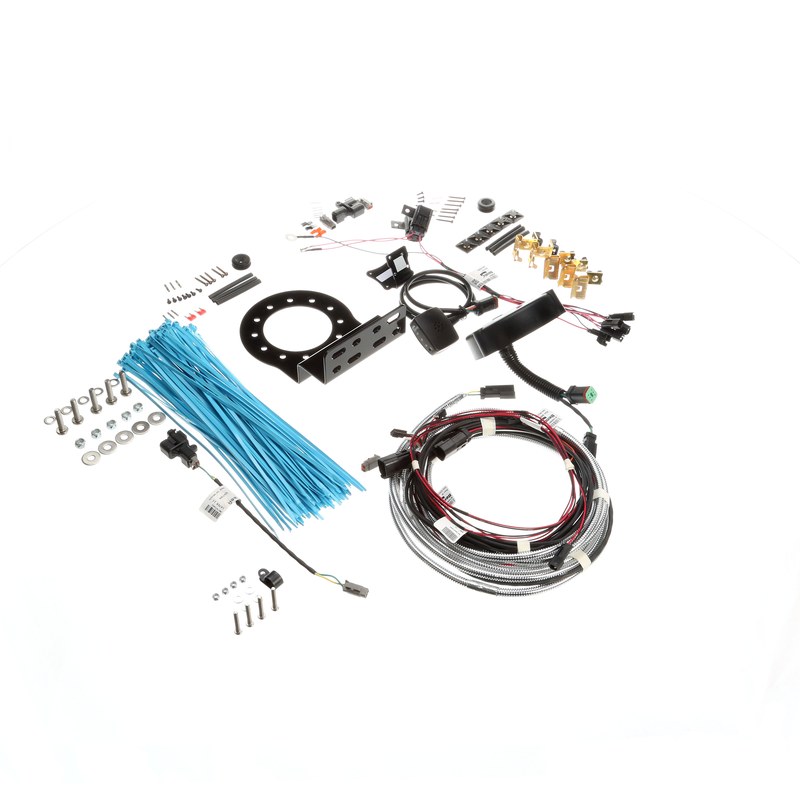
Automotive photography in practice
See how the capture decisions show up in the finished work.
This example is selected dynamically from the highest-ranked Live Automotive work.
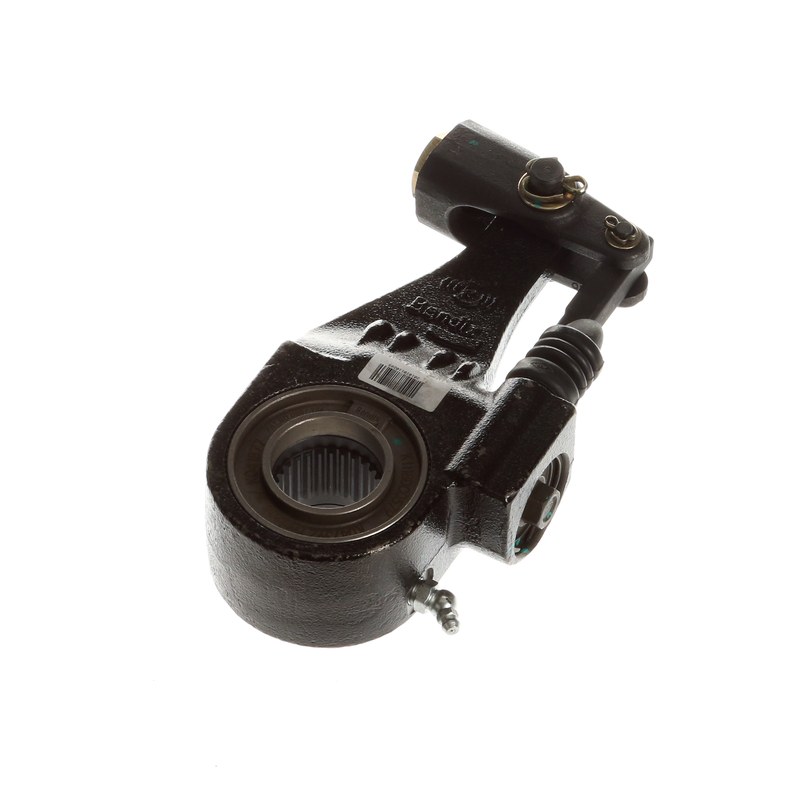
Automotive Work
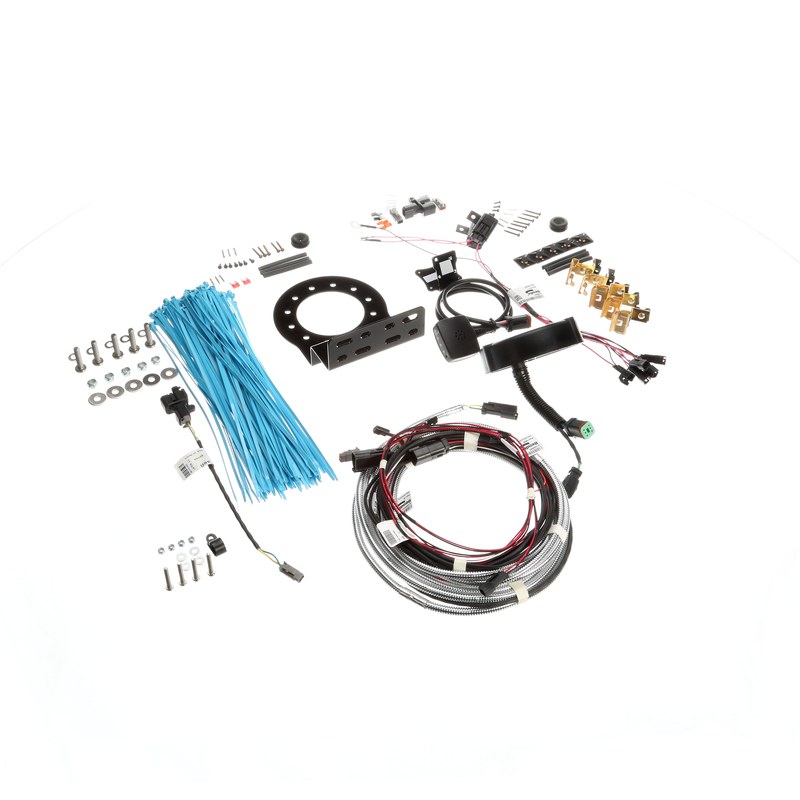
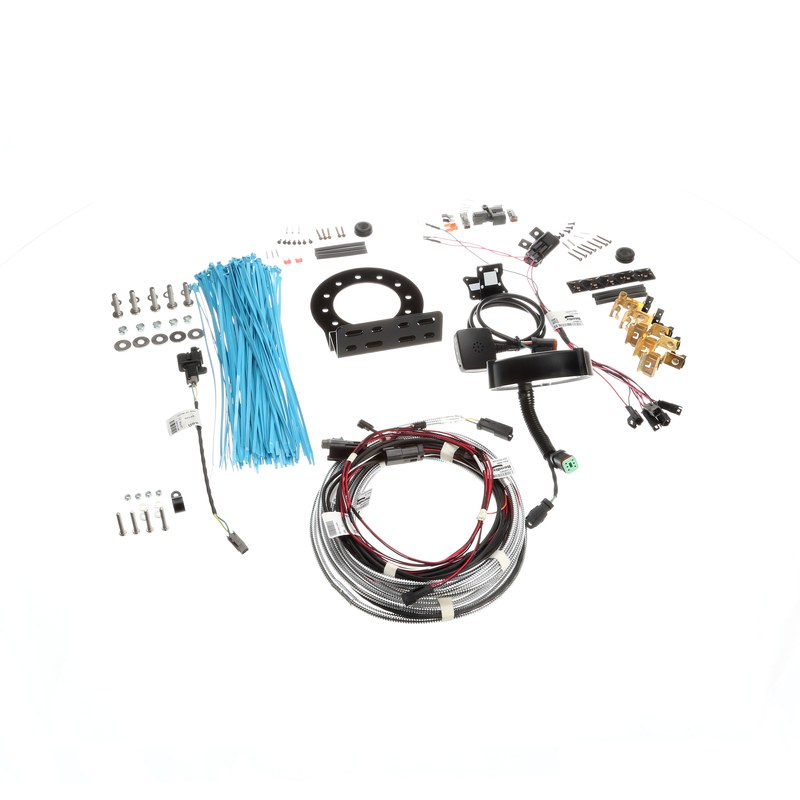
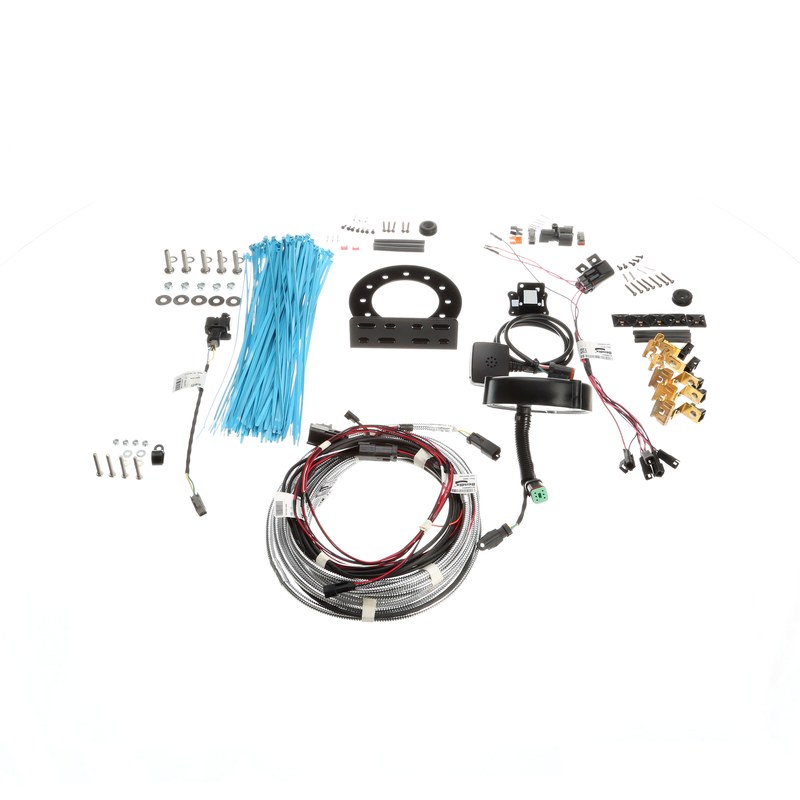
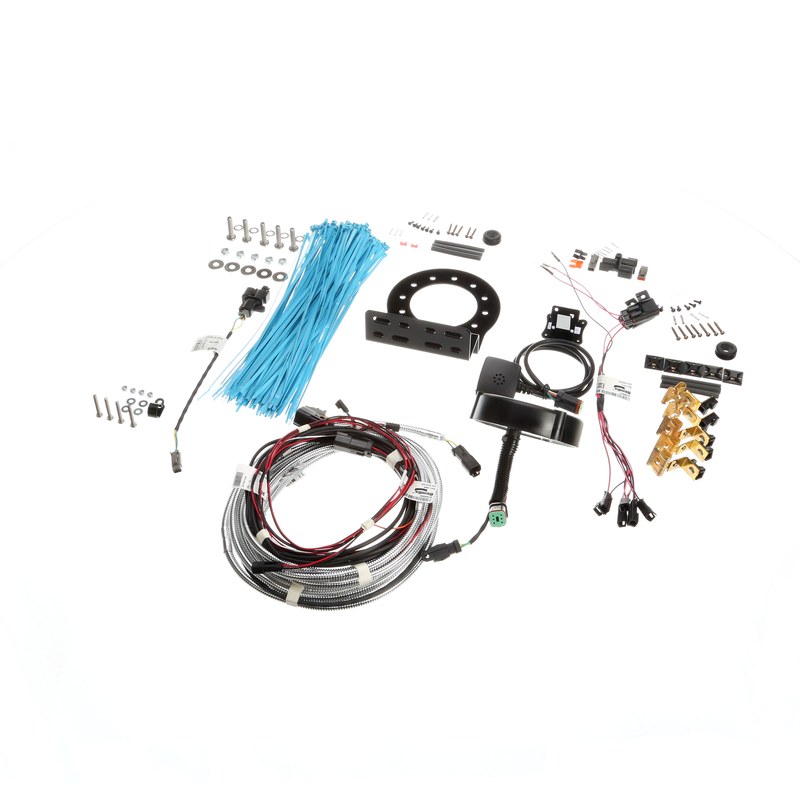
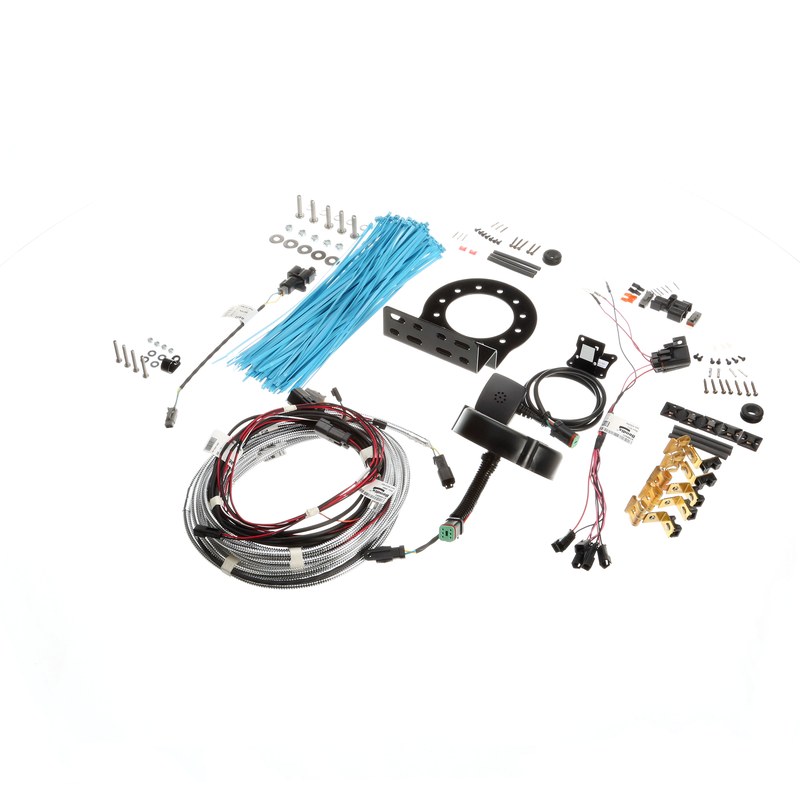
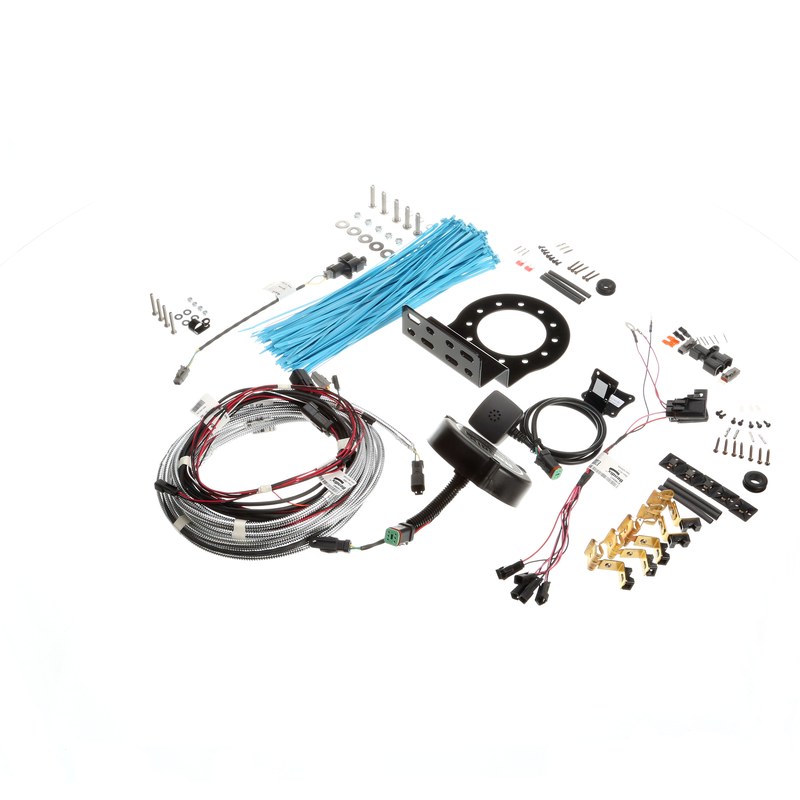
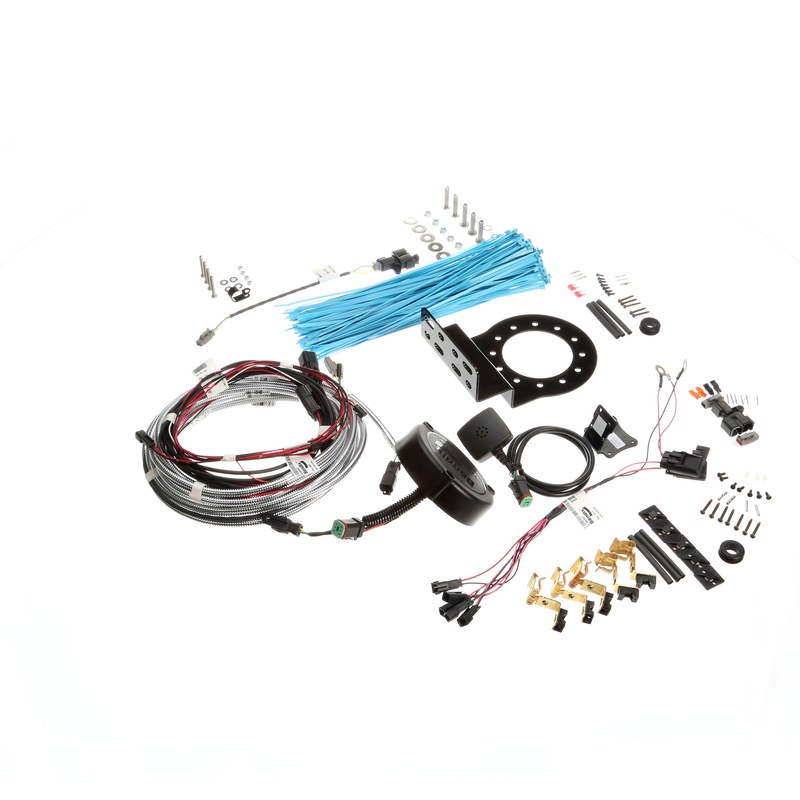
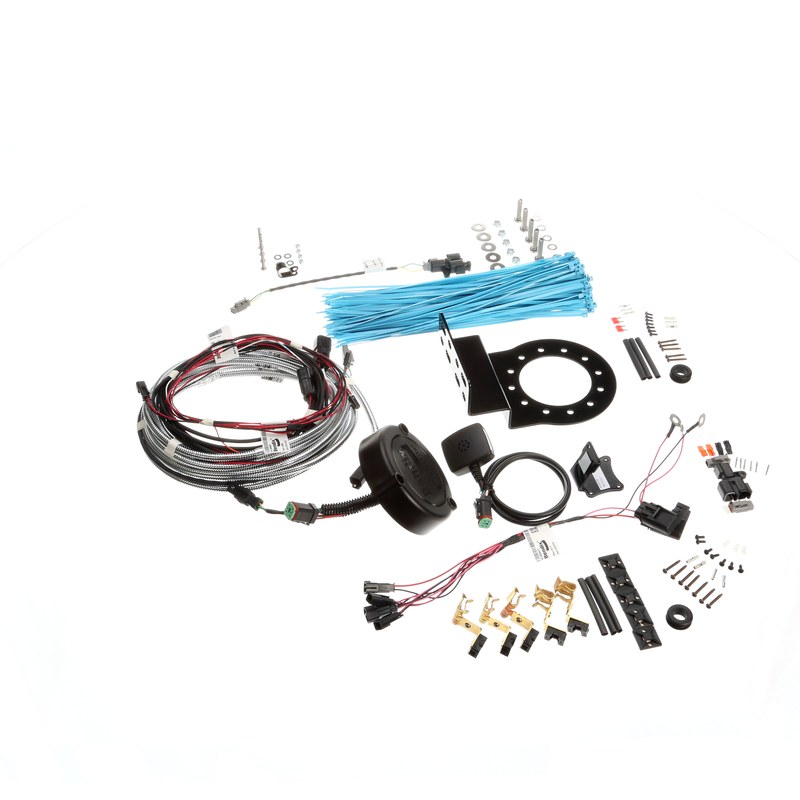
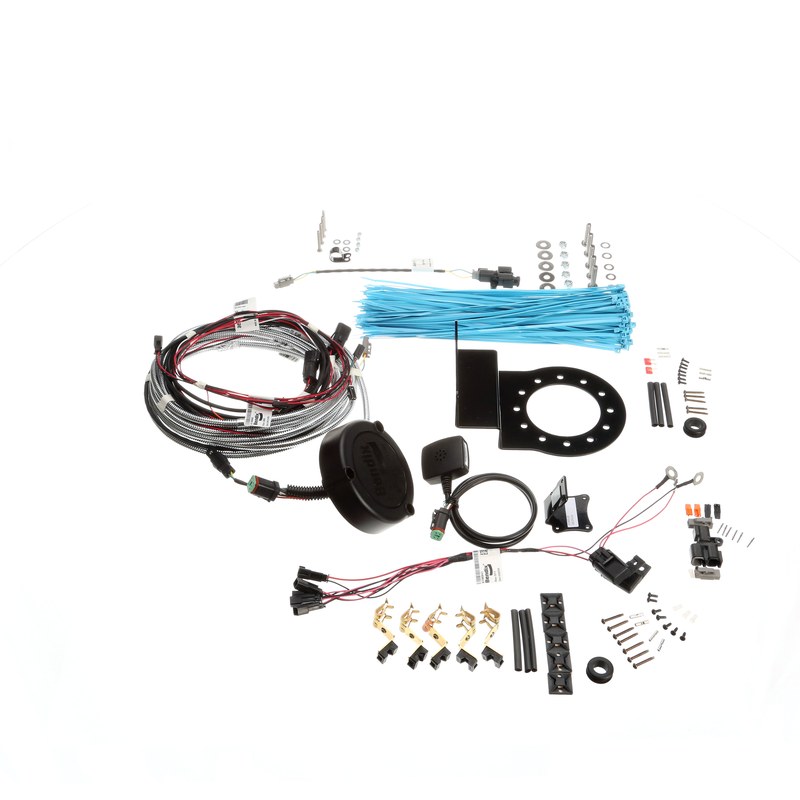
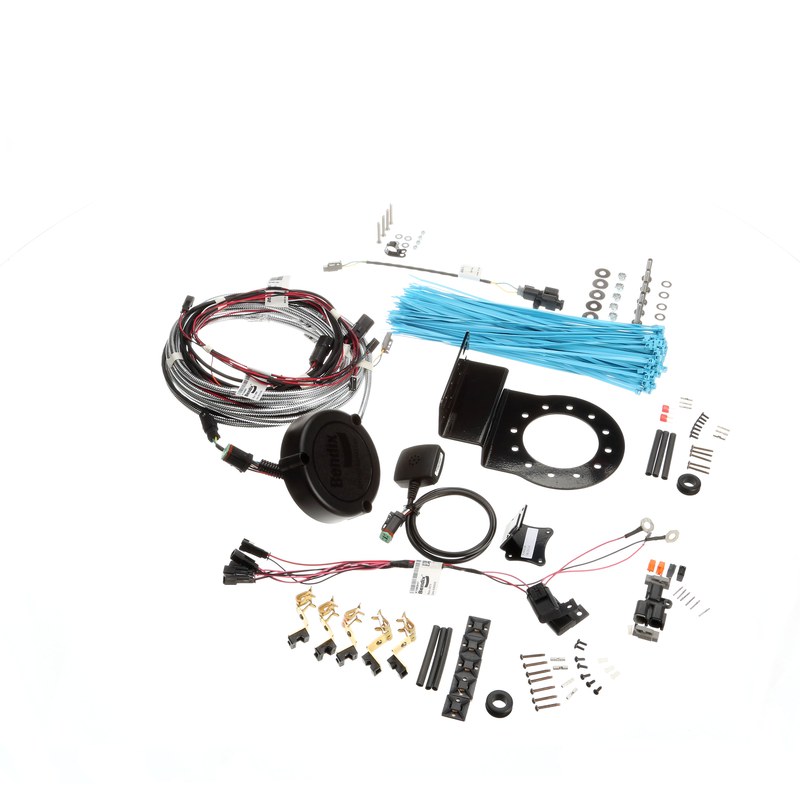
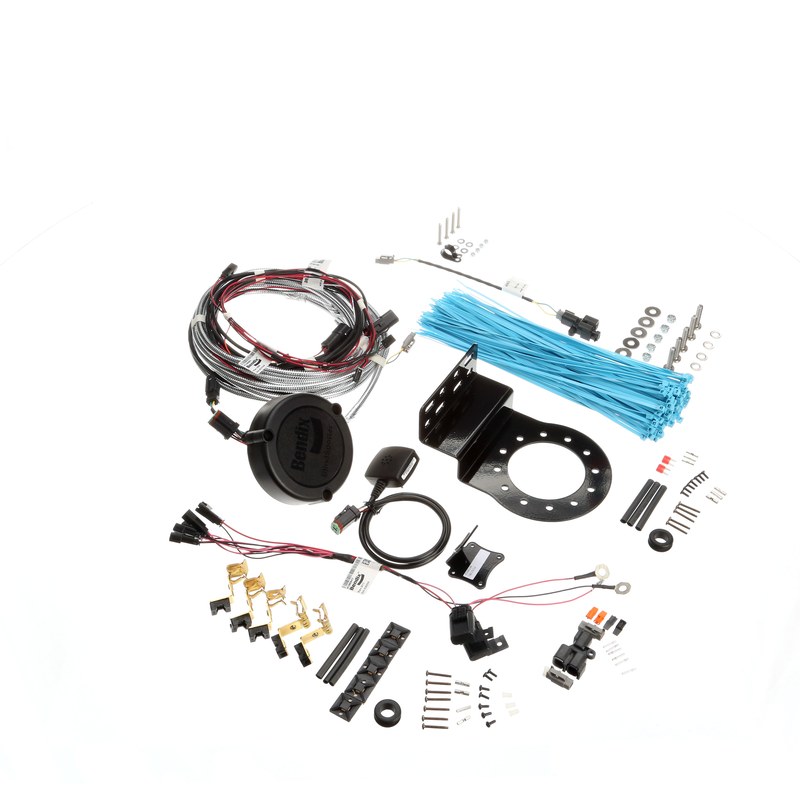
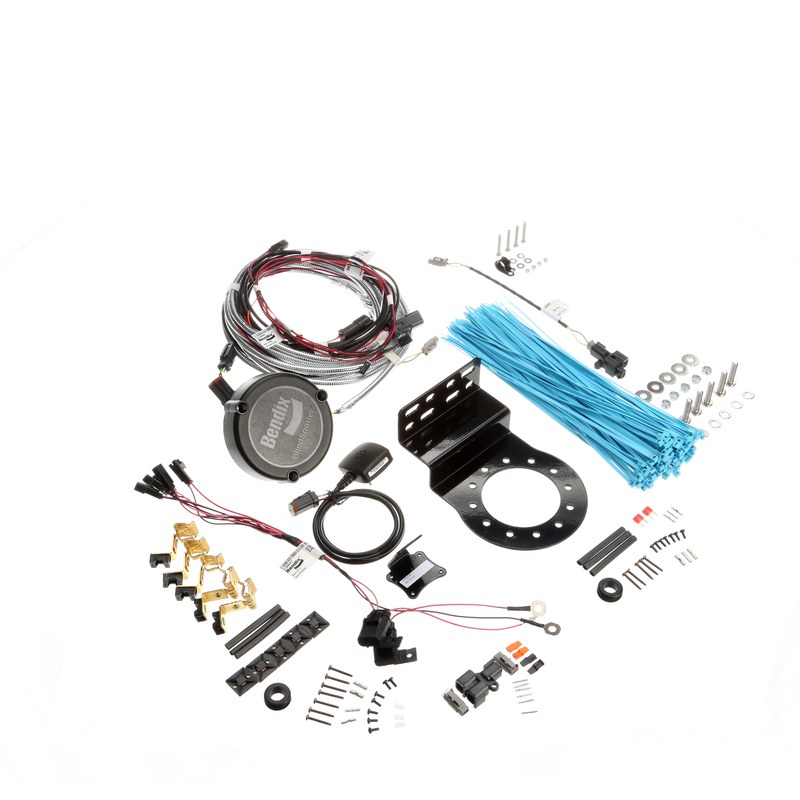
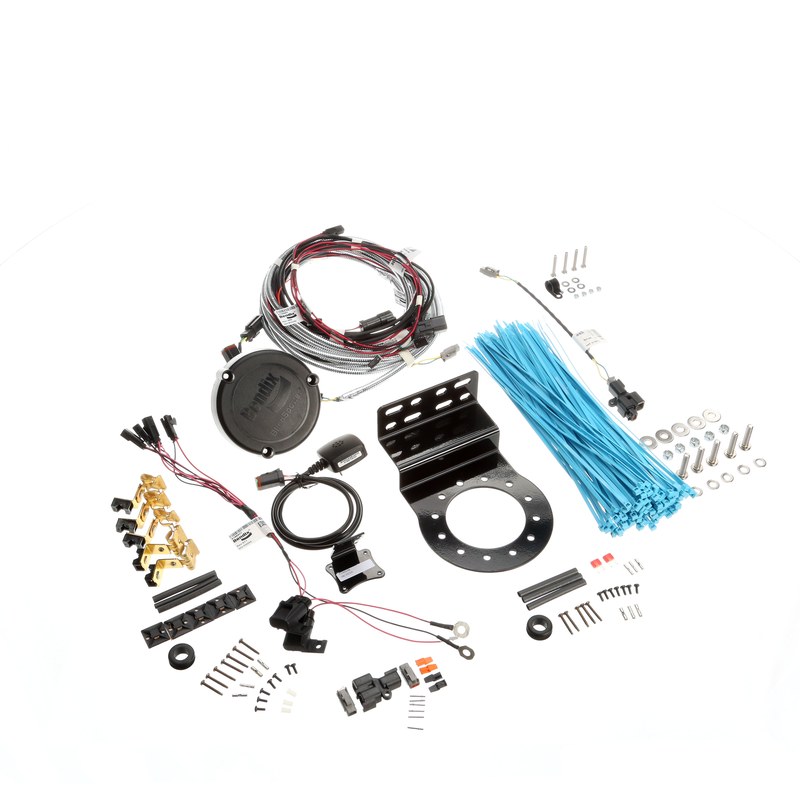
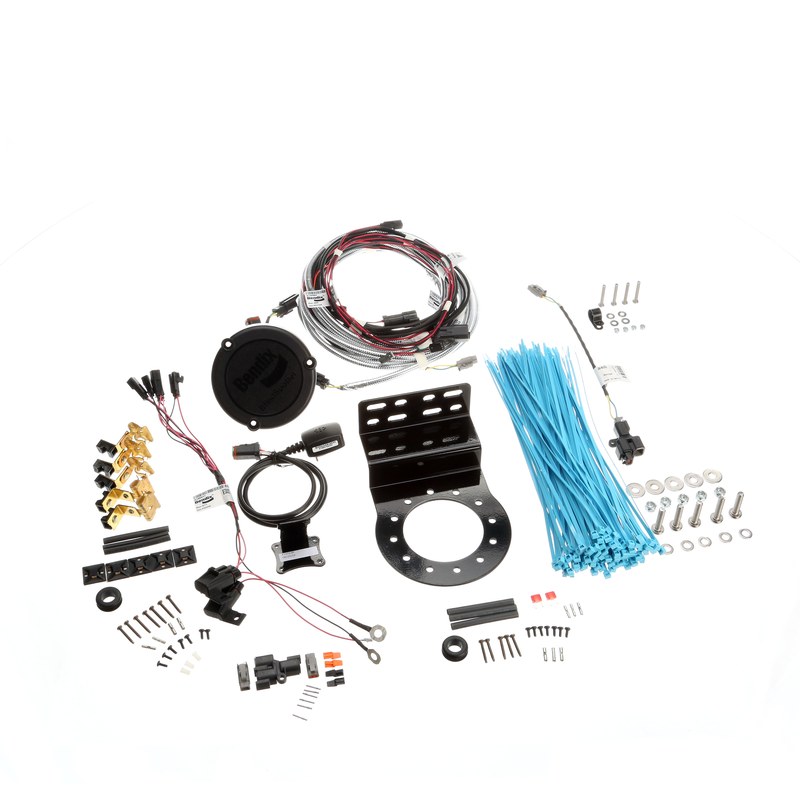
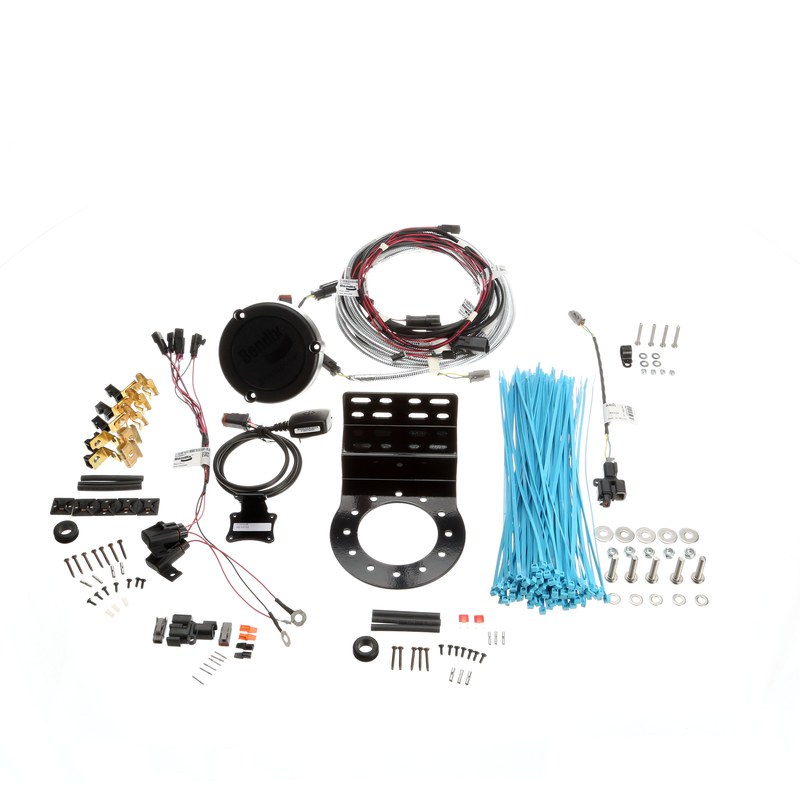
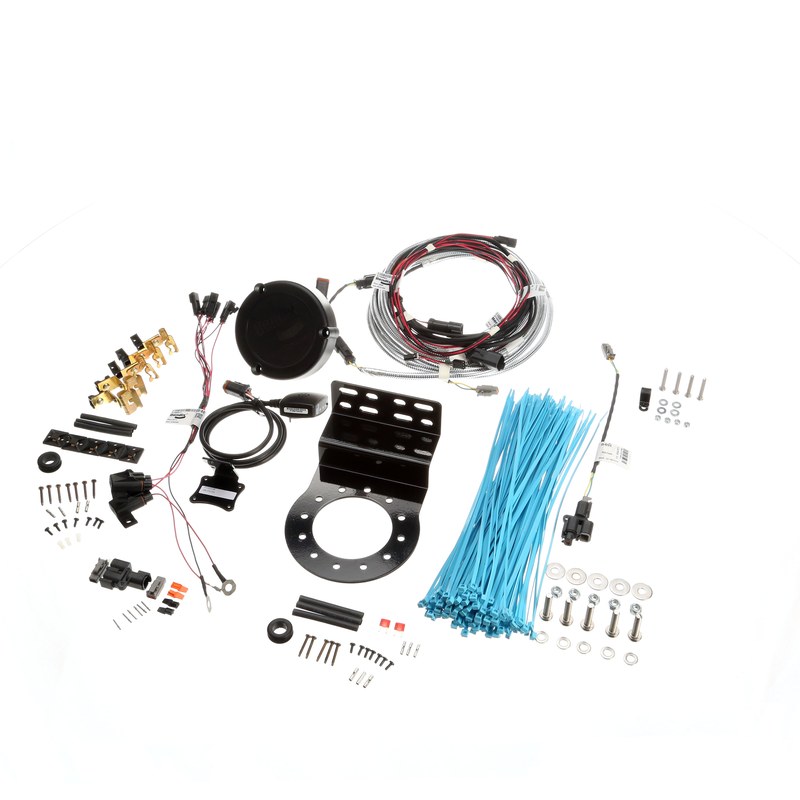
Bendix 201810110289 360 Product Photography
Interactive 3-row Bendix automotive component photography with 24 frames per row.
Explore this automotive example →Photography in practice
Surface, hardware and fitment details from every side
Lighting, position and point of view are chosen around what you, the customer, need to understand about the product.
Drag to rotate · Interactive 360
Start with the product data
Send the part-number list and channel requirements.
Tell us the product families, finishes, packaging, launch priorities and where the imagery must be delivered. We’ll build the capture standard around the catalog.