
The products kept changing. The original photography provider was no longer available.
TPI Corporation already used interactive 360 product photography in its online catalog. Its earlier rotations had been created by Snap36 and gave distributors, facility teams and commercial buyers a more complete way to inspect circulators and related industrial equipment. When TPI needed additional catalog products photographed, Snap36 was no longer available to continue the program.
The problem was larger than finding someone who could photograph a product as it rotated. TPI had an established visual language already in use: a square white presentation, a consistent front position, predictable product scale and a straightforward rotation that supported comparison across related models. New imagery needed to extend that program without making the latest products feel like they came from a disconnected catalog.
Completely reshooting the existing library would have added cost and delayed the new-product work. The practical answer was to understand the earlier standard, identify the parts that mattered and build a reliable production method for everything TPI needed next.
Match the catalog—not merely one photograph.
PhotoSpherix reviewed TPI’s existing Snap36 rotations as a working specification. We evaluated viewing height, start position, direction, crop, product scale, background treatment and the way each rotation presented the product. Those observations became the foundation for an updated capture standard.
The goal was not to imitate every artifact in an older file. It was to preserve the visual decisions that made the catalog feel coherent while applying a controlled, repeatable PhotoSpherix workflow to the new work. Each product was centered and aligned around a useful viewing position, photographed through a complete rotation and checked as a moving sequence—not just as a collection of acceptable individual frames.
One approved method had to work across very different industrial products.
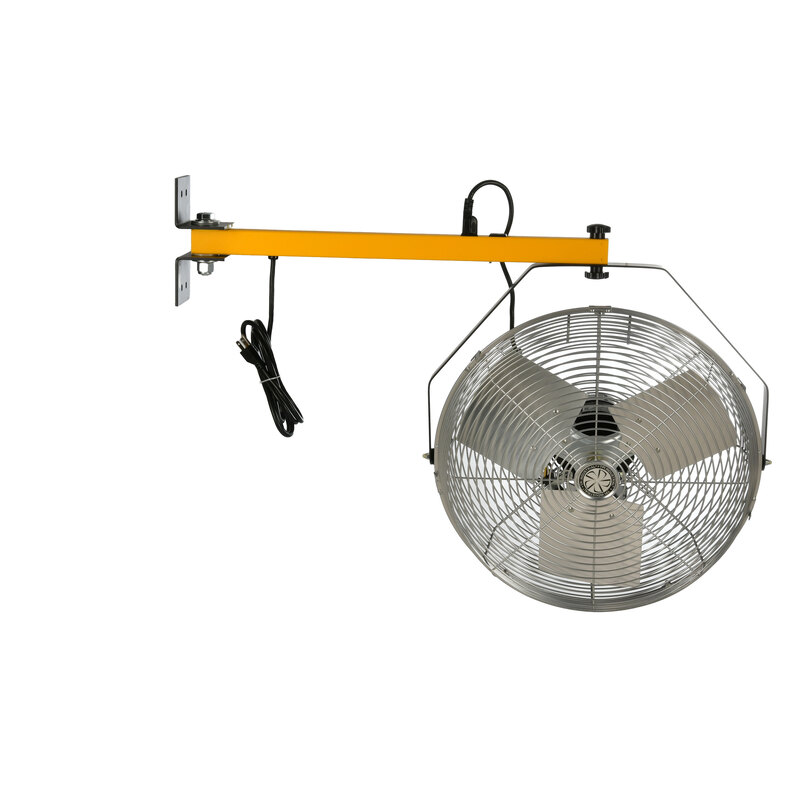
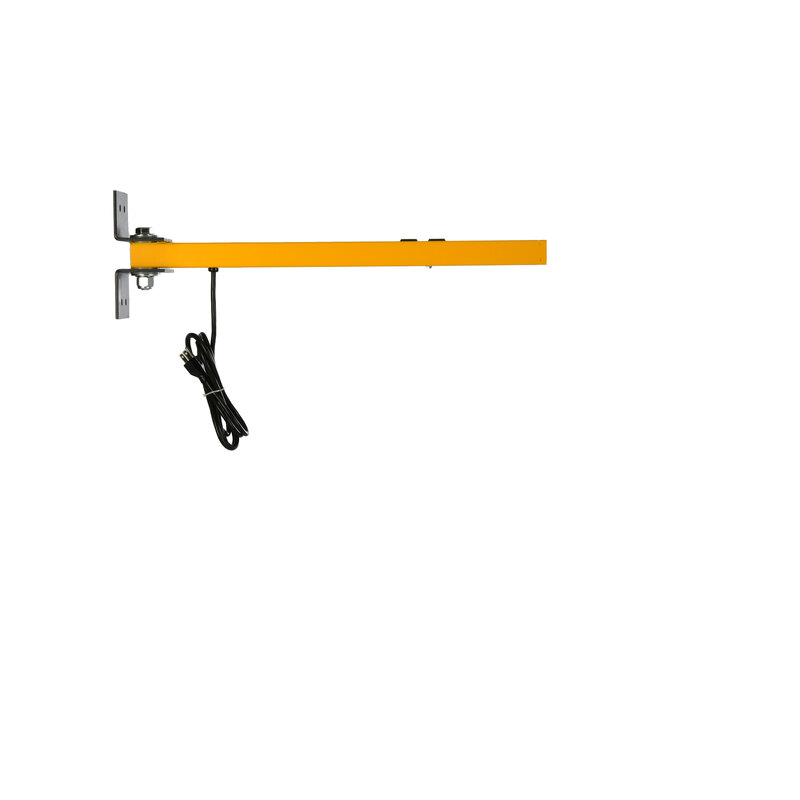
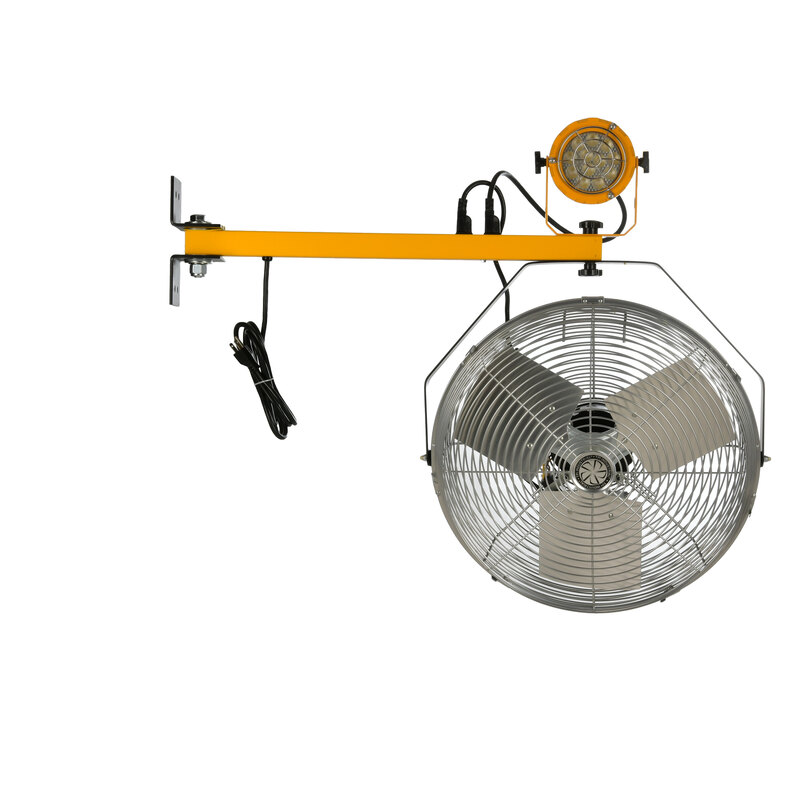
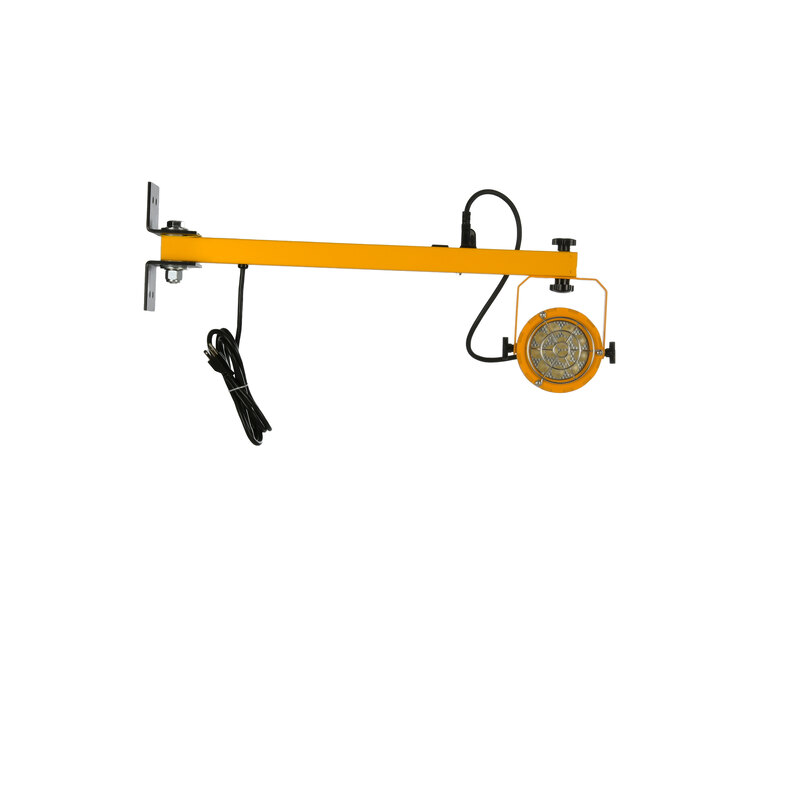
The new group included 31 products spanning industrial fans, heaters, lights and combination units. Some products were compact; others had wide guards, deep housings, stands, controls or assemblies that changed the apparent footprint as they rotated. Reflective metal, dark components, grilles, blades, cords and detailed labels all had to remain readable without allowing one product’s treatment to drift away from the rest of the line.
PhotoSpherix treated the assignment as a catalog-production program. Product identification stayed connected to TPI model numbers. Camera position, lighting, rotation and output settings followed the approved standard. Related models were evaluated together so that buyers could compare meaningful differences rather than being distracted by avoidable changes in crop or point of view.
This is where consistency becomes operational rather than cosmetic. A dependable standard makes the current catalog easier to browse, but it also gives the next group of products a clear place to begin. With more than 65 additional products scheduled for the beginning of September, TPI no longer needs to reconstruct the photography program every time another product is introduced.
The capture produced reusable product assets.
Each approved sequence could support the interactive 360 presentation as well as individual product stills, preview imagery and rotating product video. The same organized source frames could be resized, renamed and packaged for different ecommerce, distributor, DAM or PIM destinations without asking TPI to commission a separate shoot for every format.
- Interactive 360 product photography for direct product inspection.
- Individual product stills from useful positions throughout the rotation.
- Preview and thumbnail imagery for catalog navigation and product listings.
- Rotating MP4 product video for channels that support video rather than an interactive viewer.
- Organized master frames that preserve options for future exports and requirements.
TPI could keep expanding the catalog without starting over.
PhotoSpherix gave TPI a practical continuation plan after Snap36 was no longer available. The first 31 additional products could join the existing 360 catalog with a consistent presentation, while more than 65 products planned for early September now have an established production path. Together, the completed and upcoming work represent a renewed program approaching 100 products.
The project demonstrates an important part of product-photography continuity: manufacturers should not have to abandon useful imagery simply because a vendor relationship ends. Existing assets can be studied, their essential visual rules can be documented and new photography can be created to support the catalog customers already recognize.
For TPI, the finished work solved the immediate need for new catalog imagery. Just as importantly, it restored a path forward.